Just How Asbestos Waste Is Carried and Tracked
When you deal with asbestos waste, you've reached package it in double-thick, secured containers, use clear “Risk: Asbestos Waste” tags, and secure it securely for transport. Only educated vehicle drivers and allowed paths are allowed, with stringent oversight from the EPA, DOT, and local firms. You'll need to use detailed manifests and electronic tracking from collection to authorized disposal at licensed centers. There's an accurate conformity procedure ahead that breaks down each action to ensure public and environmental security.
Takeaways
- Asbestos waste is packaged in sealed, double 6-mil polyethylene bags or watertight drums labeled with threat warnings before transport.
- Transport automobiles have to be committed, clearly classified, and run by certified drivers complying with all federal, state, and neighborhood policies.
- Waste motions call for detailed materializes and electronic radar to record beginning, quantity, and location in genuine time.
- Transport routes and timing may need special licenses, with authorities looking after conformity to reduce public exposure and ecological risk.
- Final disposal is only allowed at certified centers making use of strict handling, interment, and recordkeeping treatments to guarantee governing conformity.
What Certifies as Asbestos Waste and Why It's Strictly Controlled
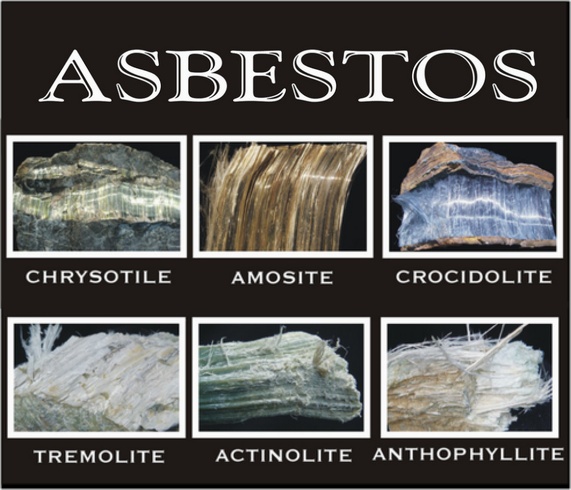
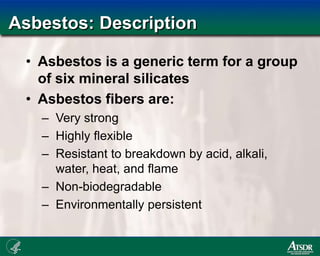
Although asbestos was when widely made use of for its fire-resistant homes, any type of material consisting of more than 1% asbestos is now identified as asbestos waste under federal and most state guidelines. You need to comprehend that stringent guideline exists due to the major health and wellness influences related to asbestos direct exposure, such as lung cancer, mesothelioma, and asbestosis. Some disposal misconceptions recommend that small amounts or particular kinds of asbestos aren't unsafe, yet that's incorrect— there's no safe level of direct exposure. Asbestos waste consists of insulation, flooring ceramic tiles, roof, and contaminated debris. Rules require you to take care of, label, and dispose of these materials in accordance with state and government regulations. By purely complying with these regulations, you'll minimize dangers to public health and wellness and prevent lawful penalties related to incorrect asbestos disposal.
Safe Packaging Specifications for Delivering Asbestos Waste
Properly packaging asbestos waste is essential for avoiding the release of dangerous fibers during transportation. You're needed to comply with stringent safety standards to mitigate wellness and ecological threats. Sticking to regulatory requirements safeguards both worker and public safety and security. Right here's what you require to do:
- Usage dual 6-mil polyethylene bags or leak-proof, closed drums for all asbestos-containing material.
- Never overfill containers— this decreases the danger of rips or ruptures.
- Apply clear, long lasting labeling protocols specifying “Risk: Asbestos Waste” together with hazard signs. https://leytonasbestosremoval.co.uk/services/garage-shed-roof-removal.html
- Safeguard all packages tightly to prevent unintended openings during taking care of or filling.
- Evaluate containers before use; decline any type of showing signs of damage or weak point.
Transportation Rules: Relocating Asbestos Waste on Public Roads
Once asbestos waste is securely packaged, rigorous transportation laws govern its activity on public roads. more information You must adhere to federal, state, and local regulations that need specialized lorries, clear labeling, and the prevention of fiber launch throughout transportation. Before laying out, acquire the needed course permits, as authorities commonly define approved roadways and transport windows to reduce public direct exposure dangers. Just trained and accredited motorists are permitted to manage asbestos shipments; detailed chauffeur training guarantees they understand emergency treatments, control methods, and lawful obligations. Autos should carry documentation detailing the waste's beginning, location, and classification. If you follow these laws exactly, you'll reduce dangers to both the general public and the atmosphere, reducing the possibility of unexpected releases or regulatory penalties during the transportation procedure.
That Keeps Track Of and Tracks Asbestos Waste During Transport?
Since asbestos waste poses considerable health and wellness and environmental dangers, several firms oversee its motion from collection to disposal. You'll find that regulative companies at the government, state, and local levels all play an important duty in tracking and monitoring asbestos waste during transport. Their key goal is to ensure that every step of the procedure satisfies stringent legal demands and reduces any risk to public security. Service provider responsibility is implemented with inspections, documentation, and compliance checks. When you're included in asbestos transport, anticipate oversight from:
- The Epa (EPA)
- State environmental defense divisions
- Neighborhood wellness or ecological firms
- Department of Transportation (DOT) for transit policies
- Occupational Safety and Wellness Management (OSHA) for worker security
These entities guarantee all events continue to be certified, minimizing direct exposure and ecological contamination. more information
Required Manifests and Electronic Tracking Solutions
Although the physical transport of asbestos waste is securely controlled, paperwork is simply as vital for legal compliance and danger monitoring. You're required to use particular materializes that information the kind, quantity, and beginning of asbestos waste at every phase. This develops a lawfully binding chain of wardship, which protects against unapproved handling and helps trace any kind of inconsistencies. Generally, paper shows up were made use of, however digital materializes are currently favored for effectiveness and accuracy. Digital tracking systems let you update documents in actual time, minimizing errors and giving immediate accessibility for regulators. These systems assure that every transfer, from generator to carrier to disposal site, is logged and verifiable. Remaining certified with these demands lessens your legal direct exposure and enhances responsibility throughout the waste management process.
Final Disposal: Where Asbestos Waste Goes and Exactly How It's Destroyed
With every step of asbestos waste transportation thoroughly documented and tracked, the final phase entails shipment to accepted disposal facilities developed to avoid airborne contamination and unauthorized access. Here, you'll encounter 2 primary techniques for asbestos garbage disposal: landfill control and thermal damage. Landfill containment makes use of crafted, lined garbage dumps that restrict asbestos fiber getaway and isolate waste from the setting. Thermal destruction, though much less usual because of its intricacy, makes use of heats to alter asbestos fibers and render them non-hazardous.
Key regulative disposal controls consist of:
- Disposal just at licensed, regulated websites
- Double-bagging and labeling waste containers
 * Immediate burial under compressed soil or cover
 - Restriction of scavenging or unapproved entry
- Stringent recordkeeping for regulative compliance
Regularly Asked Inquiries
What Health And Wellness Dangers Are Associated With Improper Asbestos Waste Handling?
Improper handling of asbestos waste puts you in jeopardy of breathing in hazardous fibers, leading to long-term ailments like asbestosis, lung cancer, and mesothelioma. If you're associated with occupational exposure, you're specifically vulnerable. Regulatory standards mandate strict control and labeling to mitigate these dangers. You shouldn't ignore correct treatments— failure to conform rises health and wellness dangers for workers and the public, jeopardizing both safety and regulative compliance. Always comply with established danger mitigation practices.

Exactly How Can I Recognize Asbestos-Containing Products in My Home?
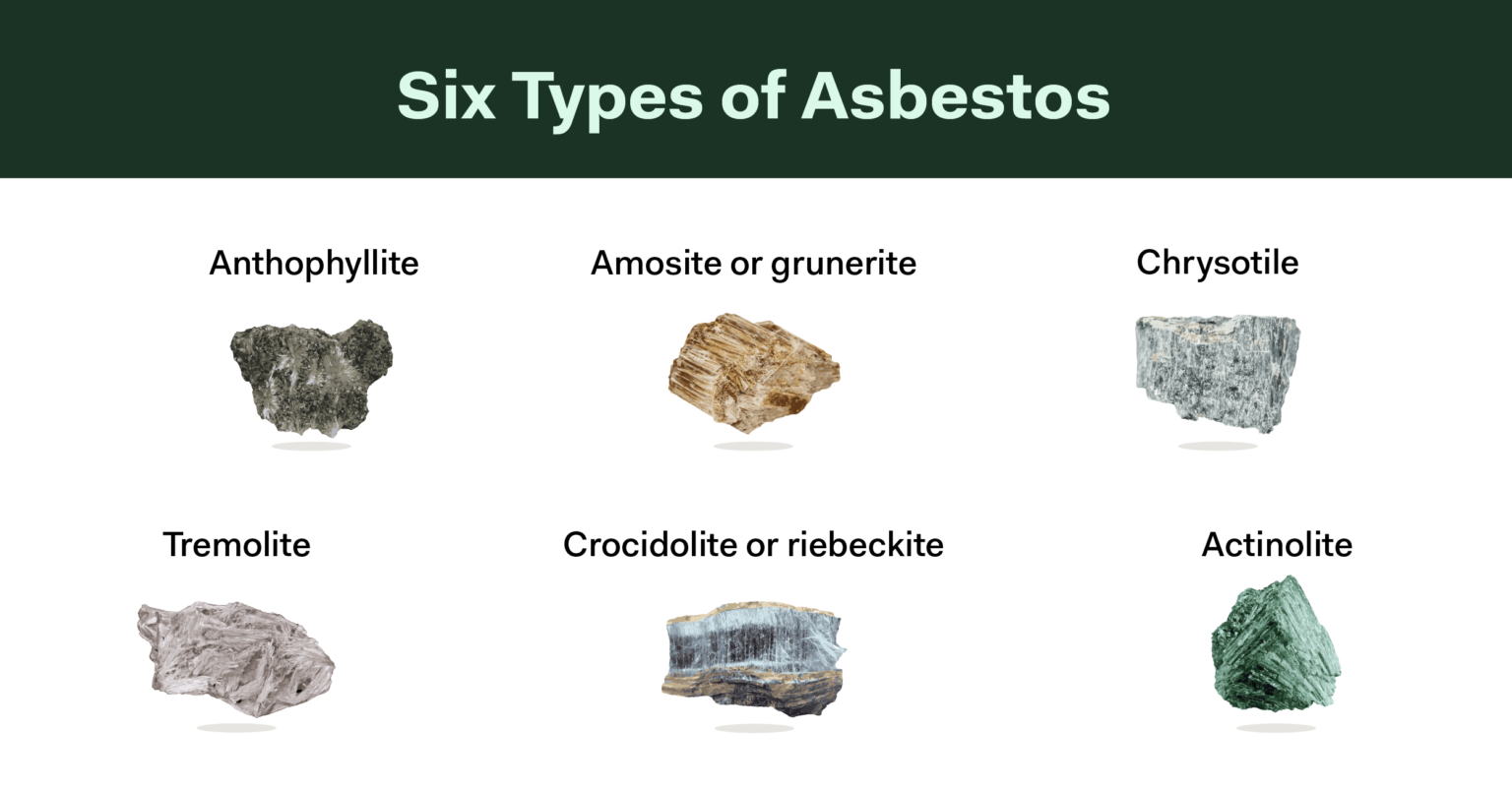
Detecting asbestos-containing materials in your house is like looking for invisible strings— most can't be identified by sight alone. If you suspect materials like insulation, floor ceramic tiles, or roof might have asbestos, stay clear of disrupting them, as this can release airborne fibers. https://leytonasbestosremoval.co.uk/services/soft-strip-demolition.html To alleviate danger, schedule specialist material screening by a qualified asbestos assessor. Rules call for certified testing to ensure precise recognition and conformity, minimizing your direct exposure and legal obligations.
Exist Penalties for Illegal Dumping of Asbestos Waste?
Yes, if you illegally unload asbestos waste, you go through major effects. Regulative firms enforce criminal fines, including significant fines and possible jail time, relying on the seriousness of the violation. You'll also face civil responsibility, which suggests you could be demanded problems or cleaning prices. To minimize threats, constantly adhere to local and federal policies for asbestos disposal. Non-compliance not only threatens public wellness but additionally exposes you to significant legal and economic repercussions.
Can Homeowners Transportation Asbestos Waste Themselves?
Like tiptoeing via a minefield, do it yourself removal of asbestos waste lugs major threats. You can deliver asbestos waste on your own in some areas, but strict regulations apply. You're personally responsible for safe handling, packaging, and delivery to approved disposal websites. Falling short to conform can lead to large fines or carcinogen. Always check regional regulations, make use of appropriate safety equipment, and ensure your technique reduces exposure and environmental contamination prior to trying transportation.

What Training Is Required for Employees Taking Care Of Asbestos Waste?
If you're taking care of asbestos waste, you need to finish asbestos certification training, which covers federal and local policies, risk-free removal, and disposal procedures. You'll find out just how to properly use protective equipment, including respirators and non reusable coveralls, to minimize direct exposure risks. This training guarantees you recognize risks, adhere to containment methods, and paper waste handling. Regulatory agencies need ongoing education and learning to keep your expertise present, decreasing liability and guaranteeing compliance with all threat mitigation requirements.